



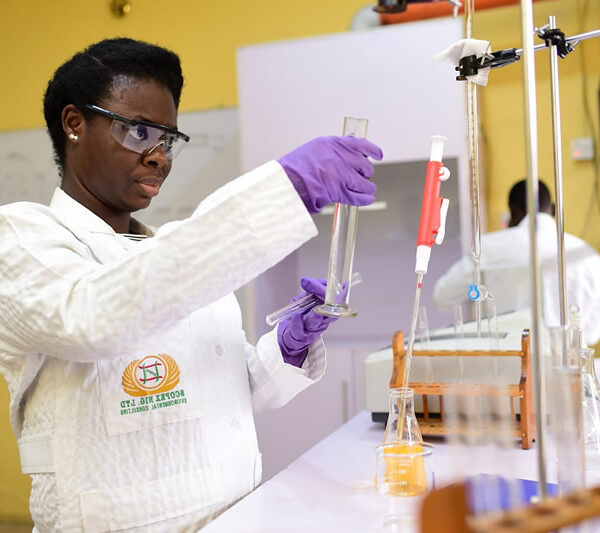



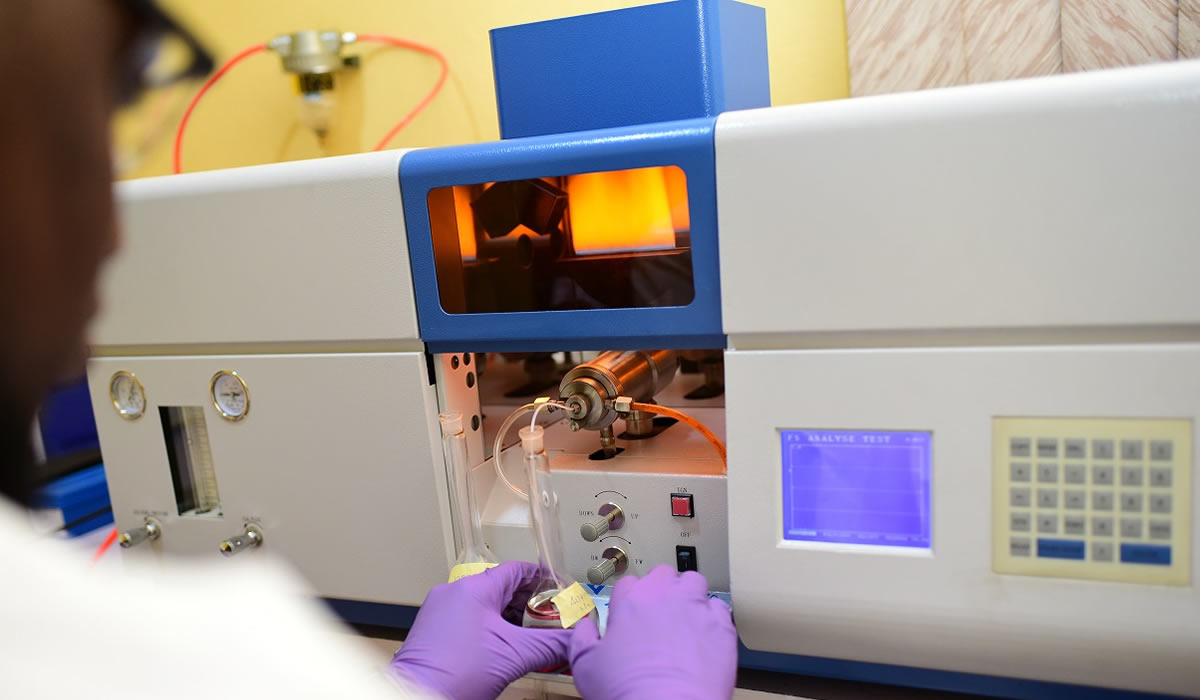

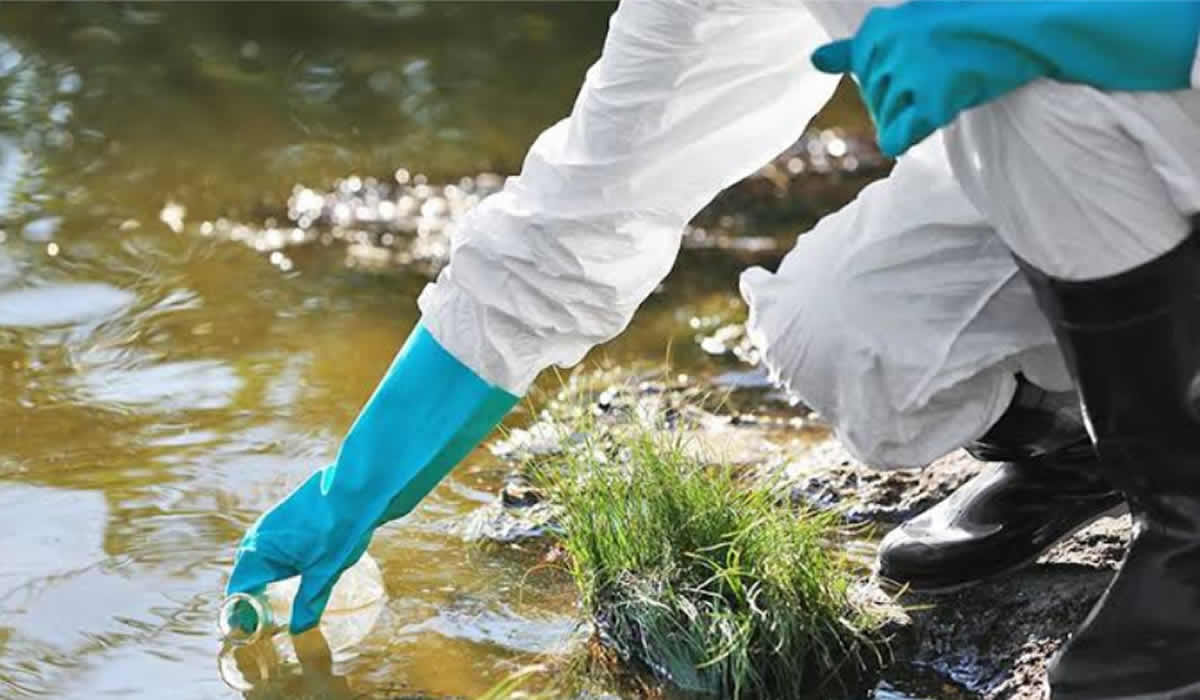

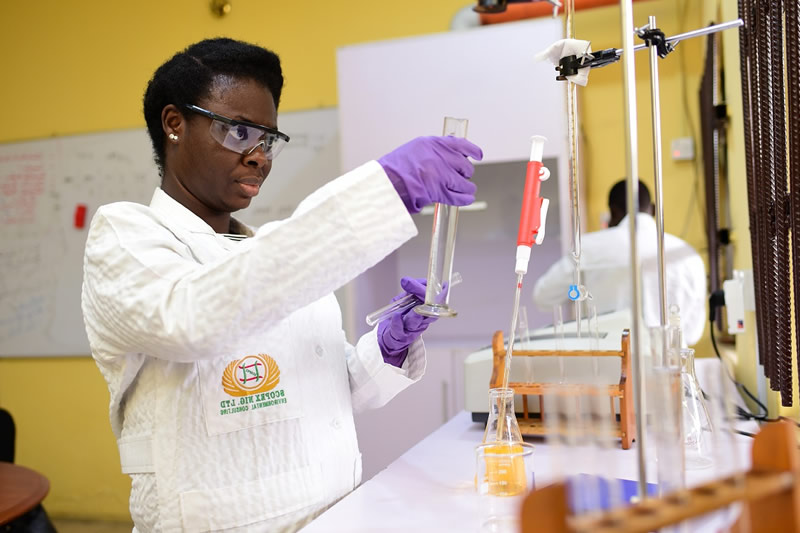
Scopex Nigeria Limited is a Nigerian environmental consultancy, laboratory testing and technical services company based in Port Harcourt, Rivers State. The company provides environmental assessment and monitoring services, analytical laboratory testing, oil and gas technical analysis, corrosion monitoring, engineering consultancy and related industrial support services.
Scopex Nigeria Limited serves organisations and clients that require scientific analysis, environmental information, engineering support and technical solutions to help manage operational risks, understand environmental conditions and make informed business decisions.
Its publicly listed services cover environmental impact assessment, environmental compliance monitoring, environmental auditing, baseline studies, site restoration, waste management, water and soil analysis, crude oil characterisation, natural gas analysis, reservoir fluid studies, production chemistry and corrosion monitoring. The company also identifies civil engineering, site clean-up and project-related consultancy among its service areas.
Scopex’s multidisciplinary approach connects environmental science, laboratory analysis and industrial technical services. This is particularly relevant to the oil and gas sector, where environmental protection, reliable analytical data, asset integrity and operational performance are important considerations. Its services are also relevant to other industrial organisations, private businesses, communities and public-sector clients requiring environmental and technical consultancy.
The company’s stated mission is to deliver quality, non-defective services from the first time and consistently thereafter. Its stated vision is to provide solutions that add value to clients’ operations and help them maintain a competitive advantage.
2. Detailed Services Offered by Scopex Nigeria Limited
A. Environmental Consultancy Services
Environmental consultancy is one of Scopex Nigeria Limited’s principal service areas. The company helps clients assess environmental conditions, identify potential impacts associated with projects and operational activities, and develop measures for managing environmental risks.
Environmental consultancy can support organisations at different stages of a project, including planning, development, operation, monitoring, environmental review and restoration.
Scopex’s published environmental services include:
- Environmental Impact Assessment (EIA).
- Environmental Evaluation Reports (EER).
- Environmental Compliance Monitoring (ECM).
- Environmental Audit Reports (EAR).
- Environmental Management Reviews.
- Environmental Baseline Studies (EBS).
- Post-Impact Assessment (PIA).
- Risk assessment and management.
- Environmental monitoring and reporting.
- Community and stakeholder consultation associated with environmental assessment.
These services can help clients understand the environmental implications of their activities, identify areas requiring attention, and support compliance with applicable environmental requirements.
B. Environmental Impact Assessment (EIA)
Scopex Nigeria Limited provides Environmental Impact Assessment services to identify and evaluate the potential environmental and social effects of proposed projects.
An EIA can help project developers and operators understand how a proposed activity may affect surrounding communities, land, water, air, ecosystems and other environmental resources.
Depending on the project scope, the assessment process may include:
- Reviewing the proposed project and its activities.
- Identifying potential environmental impacts.
- Assessing relevant baseline environmental conditions.
- Identifying potentially affected communities and stakeholders.
- Evaluating potential environmental and social risks.
- Recommending mitigation measures.
- Supporting stakeholder consultation.
- Preparing environmental assessment documentation.
Scopex states that community and stakeholder consultation is an important part of its approach to environmental assessment. Its website also describes the use of laboratory and monitoring facilities to support environmental evaluation.
EIA requirements vary by project type, location and applicable regulations. Clients should confirm the required scope, deliverables and approval process before commencing an assessment.
C. Environmental Evaluation Reports (EER)
Environmental Evaluation Reports help describe the condition of an environment that has already experienced impacts from existing installations, operations or other activities.
Scopex lists EER preparation among its environmental consultancy services. Its published description explains that this work can involve qualitative and quantitative assessment of an impacted environment, including consideration of the significance of losses affecting environmental resources.
Depending on the assignment, an EER may involve:
- Reviewing existing environmental conditions.
- Identifying areas affected by operational activities.
- Assessing environmental impacts and resource losses.
- Evaluating relevant environmental data.
- Documenting findings and areas of concern.
- Recommending appropriate management or corrective measures.
Such assessments can assist organisations in understanding existing environmental conditions and determining appropriate next steps. The specific methodology and regulatory requirements should be confirmed for each project.
D. Environmental Compliance Monitoring (ECM)
Environmental Compliance Monitoring helps organisations assess their environmental performance against applicable regulatory requirements, operational controls and agreed environmental management criteria.
Scopex describes ECM as a programme for monitoring environmental parameters associated with production operations and supporting continuous performance improvement.
Depending on the facility and approved monitoring plan, this service may involve:
- Identifying environmental parameters requiring monitoring.
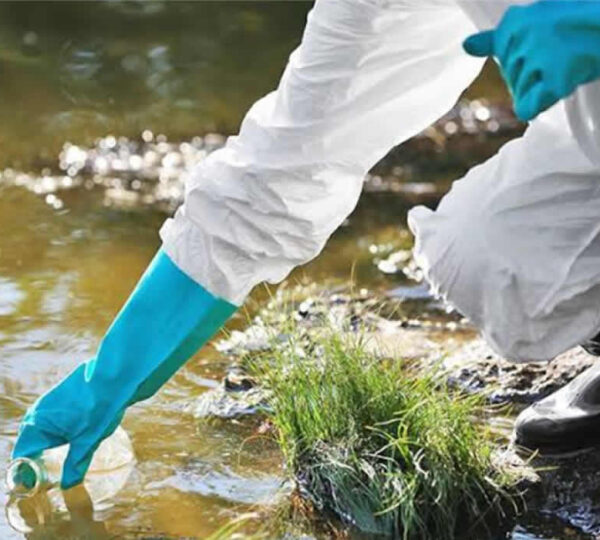
- Collecting samples and environmental measurements.
- Assessing air, water, soil or other relevant environmental conditions.
- Comparing results with applicable limits and standards.
- Documenting findings and areas requiring attention.
- Supporting the identification of corrective measures.
- Preparing monitoring reports for client review and relevant processes.
For oil and gas operations and other industrial activities, environmental monitoring can help organisations identify potential issues early and improve their understanding of operational impacts.
The monitoring programme should be designed around the client’s activities, relevant environmental requirements and the specific parameters that need to be assessed.
E. Environmental Audit Reports (EAR)
Environmental auditing involves systematically reviewing an organisation’s activities, facilities, procedures and environmental performance against relevant criteria.
Scopex Nigeria Limited lists Environmental Audit Reports among its services. Its published description presents environmental auditing as a management tool for evaluating operational activities against applicable standards and requirements.
An environmental audit may involve:
- Reviewing environmental management practices.
- Assessing operational activities and potential environmental impacts.
- Examining relevant procedures and records.
- Identifying areas of environmental concern.
- Evaluating performance against applicable criteria.
- Documenting observations and findings.
- Recommending improvements where required.
Environmental audits can help organisations identify gaps, strengthen environmental controls and improve oversight of their environmental responsibilities.
The precise audit scope, applicable criteria and any formal regulatory reporting requirements should be established before the engagement.
F. Environmental Baseline Studies (EBS)
Environmental Baseline Studies establish an understanding of environmental conditions before a proposed project or development begins.
Scopex lists baseline studies as part of its environmental services. Such studies can provide information against which future monitoring results and potential project impacts can be assessed.
Depending on the project, a baseline study may cover:
- Existing environmental conditions at the proposed project location.
- Relevant soil and water characteristics.
- Air quality and other environmental parameters, where applicable.
- Existing land use and environmental features.
- Identification of sensitive environmental receptors.
- Collection and analysis of baseline samples.
- Documentation of findings for project planning and subsequent monitoring.
Environmental baseline information is particularly useful for industrial developments, oil and gas projects and other activities where understanding pre-project conditions is important.
The study’s geographical coverage, sampling programme and analytical requirements should be determined according to the project’s needs.
G. Environmental Management Review
Scopex lists Environmental Management Reviews as part of its environmental consultancy offering.
An environmental management review can help organisations examine their activities and determine the environmental policies, procedures and controls required to manage environmental impacts effectively.
This service may support organisations preparing to introduce an environmental management system, reviewing existing practices or making significant operational changes.
Depending on the agreed scope, the work may include reviewing current environmental practices, identifying areas requiring improvement, assessing relevant risks and recommending procedures that support responsible environmental management.
H. Environmental Testing and Laboratory Services
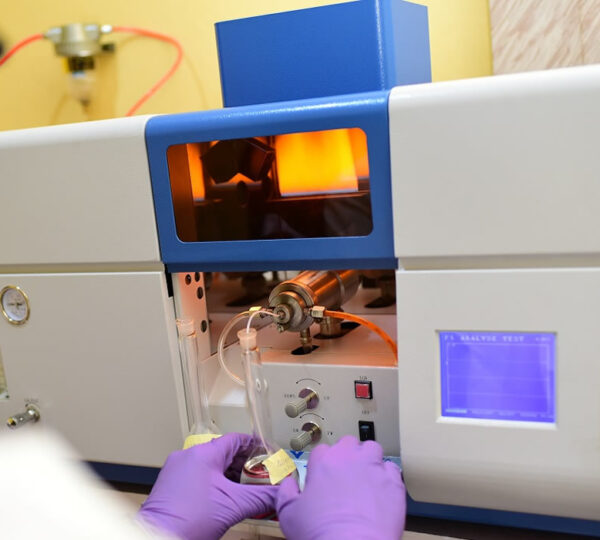
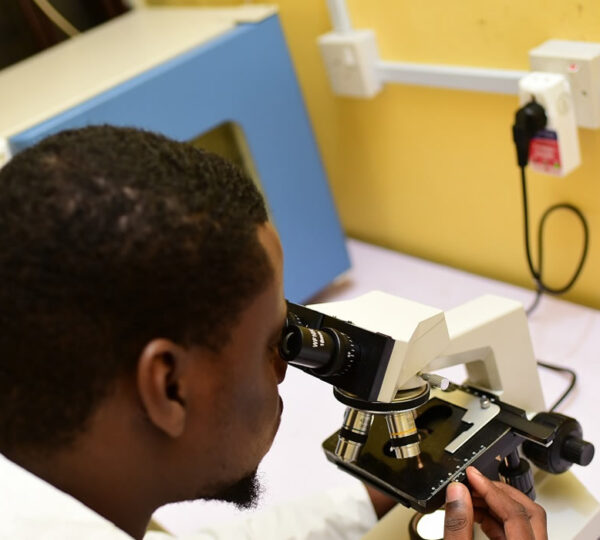
Scopex Nigeria Limited offers environmental analytical testing for samples from air, water, soil and waste. Its published testing services include the analysis of organic, inorganic and trace contaminants, along with specialised environmental and industrial testing.
Laboratory analysis can help clients obtain information about sample composition, environmental quality and the presence or concentration of selected substances.
Its published testing categories include:
- Soil analysis.
- Drinking water analysis.
- Surface water and groundwater analysis.
- Wastewater and process-water monitoring.
- Air quality and ambient air monitoring.
- Stack emission testing.
- Metals analysis.
- Low-level mercury analysis.
- Aquatic toxicity testing.
- Waste characterisation.
- Oil fingerprinting.
- Selected organic and inorganic contaminant analysis.
Scopex’s website references analytical techniques and instruments including atomic absorption spectroscopy (AAS), gas chromatography/mass spectrometry (GC/MS) and high-performance liquid chromatography (HPLC) for relevant testing applications.
The availability of a particular method depends on the sample, target analyte, required detection limits and laboratory scope. Clients should confirm the specific test, method, turnaround time and applicable reporting requirements before submitting samples.
I. Soil Analysis and Contamination Testing
Soil analysis provides information about the chemical characteristics of soil and the presence of selected contaminants.
Scopex lists soil testing among its environmental laboratory services. Its published service information references testing for parameters such as heavy metals, total petroleum hydrocarbons (TPH), polycyclic aromatic hydrocarbons (PAHs), benzene, toluene, ethylbenzene and xylenes (BTEX), aromatics and pesticides.
Depending on the project, soil analysis may help clients:
- Establish baseline soil conditions.
- Investigate suspected contamination.
- Evaluate soil quality at industrial locations.
- Support environmental site assessments.
- Characterise potentially contaminated sites.
- Inform site restoration or remediation planning.
- Monitor environmental conditions over time.
The appropriate testing programme depends on the site’s history, the suspected contaminants, the intended use of the results and the applicable environmental requirements.
J. Water Quality Analysis
Scopex provides water analysis for environmental and industrial applications. Its published testing information covers drinking water, groundwater, surface water, process water and wastewater.
Water analysis can help organisations understand the physical and chemical characteristics of water and assess selected parameters relevant to water quality and environmental management.
Depending on the required analytical scope, testing may support:
- Drinking-water quality assessment.
- Groundwater and surface-water monitoring.
- Industrial process-water evaluation.
- Wastewater monitoring.
- Environmental baseline studies.
- Investigation of potential contamination.
- Environmental compliance monitoring.
Clients should specify the water source, purpose of testing, target parameters and any required reporting standards when requesting laboratory services.
K. Waste Characterisation and Analytical Testing
Scopex lists waste analysis and characterisation among its laboratory services. Waste characterisation helps establish the composition and relevant properties of waste materials so that they can be managed according to applicable requirements.
Its published testing information references analysis of waste types such as sludge and other industrial waste materials, as well as the evaluation of waste acceptance criteria where required.
Depending on the agreed scope, waste-related testing may involve:
- Identifying the composition of selected waste streams.
- Analysing relevant contaminants.
- Supporting the classification and characterisation of waste.
- Assessing selected properties required for disposal or treatment decisions.
- Providing analytical information to support waste-management planning.
The specific waste types accepted, analytical methods and any regulatory or disposal-facility requirements should be confirmed before a project begins.
L. Air Quality and Stack Emission Testing
Scopex’s published testing catalogue includes ambient air monitoring and stack emission testing.
These services can support organisations that need to evaluate selected air-quality parameters or assess emissions associated with industrial processes.
Depending on the project requirements, testing may include:
- Monitoring selected ambient air parameters.
- Assessing specified contaminants.
- Conducting stack emission measurements.
- Collecting and analysing relevant samples.
- Preparing results for environmental review.
- Supporting environmental monitoring and reporting programmes.
The specific pollutants, sampling procedures, equipment and measurement methods should be confirmed with the company before commissioning the work.
M. Site Clean-Up and Environmental Restoration
Scopex Nigeria Limited lists site clean-up services and environmental restoration-related activities in its published service portfolio.
Site clean-up and restoration may be required where industrial activities, spills, waste accumulation or other events have affected a site.
Depending on the nature of the project, services may include:
- Environmental site assessment and preliminary evaluation.
- Identification of affected areas.
- Site clean-up planning and coordination.
- Environmental supervision and monitoring.
- Support for waste and sludge management.
- Site restoration or remediation-related activities.
- Post-impact assessment and follow-up monitoring.
The required approach depends on the type and extent of contamination, site conditions, applicable environmental requirements and the proposed end use of the location.
Clients should confirm the company’s available equipment, treatment methods, specialist subcontractors and approved disposal arrangements for each assignment.
N. Site Remediation and Restoration
Site remediation focuses on addressing environmental contamination or other adverse site conditions through appropriate treatment, removal, containment or restoration measures.
Scopex identifies site restoration and remediation among its environmental service areas.
Depending on the agreed project scope, remediation-related work may include assessing site conditions, reviewing laboratory findings, identifying potential remediation options, coordinating clean-up activities and monitoring relevant environmental parameters.
Such work can be relevant to industrial facilities, oil and gas locations and other sites where environmental impacts require investigation and corrective action.
The recommended remediation strategy should be based on the site assessment, analytical results, applicable regulations and technical evaluation of suitable options.
O. Waste Management and Sludge Treatment
Scopex’s published service portfolio includes waste management, sludge treatment, evacuation and disposal, and biological sludge treatment.
These services are relevant to industrial organisations that generate waste or sludge through production, maintenance, wastewater treatment and other operational activities.
Depending on the assignment, the service scope may involve:
- Assessing waste-management requirements.
- Characterising selected waste or sludge streams.
- Coordinating sludge treatment.
- Supporting evacuation and handling arrangements.
- Managing project-related waste logistics.
- Supporting appropriate disposal arrangements.
- Providing environmental monitoring or documentation.
Biological sludge treatment is also listed by the company. The specific treatment process, waste categories handled, available capacity and disposal arrangements should be confirmed before an engagement is awarded.
P. Risk Assessment and Management
Scopex identifies risk assessment and management among its environmental service offerings.
Risk assessment helps organisations identify potential hazards, consider their likelihood and consequences, and determine suitable measures for reducing or controlling risks.
Depending on the engagement, this may involve identifying environmental or operational hazards, evaluating potential impacts, reviewing existing controls, documenting findings and recommending additional measures.
Risk assessment can support environmental management, industrial operations, site remediation and project planning.
The scope should specify whether the assignment covers environmental risks, operational risks, health and safety hazards or a combination of these areas.
Q. Oil and Gas Laboratory and Technical Services
Scopex provides specialised analytical and technical services relevant to the oil and gas industry. Its published portfolio includes crude oil assay, oil fingerprinting, natural gas analysis, pressure-volume-temperature studies, flow assurance, production chemistry and corrosion monitoring.
These services help oil and gas organisations obtain information about petroleum composition, reservoir fluids, production chemistry, corrosion risks and fluid-flow behaviour.
The company’s oil and gas-related services are described in greater detail below.
R. Crude Oil Assay
Crude oil assay is the laboratory characterisation of crude petroleum to determine selected physical, chemical and compositional properties.
Scopex lists crude assay among its core services and states that its testing can provide molecular and chemical characterisation of crude oil.
Its published assay information includes parameters such as:
- Sulphur content.
- Nitrogen content.
- Viscosity.
- Asphaltene and wax deposition characteristics.
- Methanol in crude oil.
- Aromatic-related analysis.
- Cloud point and pour point.
Crude assay information can assist clients in understanding crude oil properties and evaluating relevant production, handling, transportation and refining considerations.
The exact parameters and analytical methods should be agreed upon according to the crude sample and the client’s requirements.
S. Oil Fingerprinting
Oil fingerprinting uses chemical and molecular characteristics to compare petroleum samples and investigate their potential relationships.
Scopex identifies oil fingerprinting as one of its oil and gas services and describes the use of petroleum biomarkers and gas chromatography-based analysis.
Depending on the assignment, oil fingerprinting can help support:
- Comparison of crude oil samples.
- Investigation of suspected petroleum contamination.
- Evaluation of similarities and differences between oil samples.
- Environmental investigations involving petroleum residues.
- Technical studies requiring petroleum-source characterisation.
The conclusions that can be drawn depend on the samples, analytical techniques, reference materials and available contextual information.
T. Natural Gas Analysis
Scopex lists natural gas analysis among its laboratory services. Its published service description includes reservoir gas composition testing, with routine C1 to C7+ analysis and extended gas analysis.
Gas composition information is useful for understanding the characteristics of reservoir or process gas and supporting relevant production and engineering evaluations.
Depending on the requested scope, natural gas analysis may include determining the composition of selected hydrocarbon and non-hydrocarbon components and preparing analytical results for technical interpretation.
Clients should confirm the specific gas composition range, target components, test methods, reporting format and sample-handling requirements before submitting a sample.
U. Pressure-Volume-Temperature (PVT) Analysis
Pressure-Volume-Temperature analysis provides information about the behaviour of reservoir fluids under different pressure and temperature conditions.
Scopex states that its PVT studies can cover different reservoir-fluid types, including gas condensates, black oils and critical fluids.
PVT analysis can support reservoir engineering and production-related decisions by helping technical teams understand fluid properties and phase behaviour.
Depending on the study, the work may involve analysing the submitted fluid sample, conducting specified laboratory measurements and providing data for reservoir or production engineering evaluation.
The exact study programme depends on the reservoir fluid, required measurements and technical objectives.
V. Flow Assurance Services
Flow assurance involves understanding and managing conditions that may interfere with the reliable movement of fluids through production and transportation systems.
Scopex lists flow assurance testing and multidisciplinary analysis and interpretation among its oil and gas services.
Depending on the project, flow assurance work may support investigation of issues associated with fluid properties, wax or asphaltene deposition, scale, corrosion and other production-related challenges.
Such studies can help technical teams assess potential flow restrictions and evaluate suitable operational or chemical-management strategies.
The scope of each assignment should specify the fluid system, operating conditions, tests required and engineering questions to be addressed.
W. Production Chemistry Analysis
Scopex’s production chemistry service focuses on laboratory analysis relevant to understanding and managing chemical issues that affect oil and gas production.
Its published testing programme includes parameters such as:
- Basic sediment and water (BS&W).
- Karl Fischer water content.
- Density and viscosity.
- Crude oil salinity.
- Gas chromatography.
- Gas dew points.
- Trace sulphur analysis.
- Bottle tests and chemical efficacy.
- Corrosion monitoring-related analysis.
Production chemistry data can help operators assess fluid characteristics, investigate chemical-treatment performance and understand factors that may affect production efficiency, equipment integrity and reservoir performance.
The specific tests required depend on the production system, the operational concern and the client’s technical objectives.
X. Corrosion Monitoring and Management Support
Corrosion can affect the integrity of pipelines, production equipment and industrial process systems. Scopex provides internal corrosion monitoring services and identifies monitoring support for onshore and offshore oil and gas producers and process industries.
Its published service catalogue includes:
- Hydraulic access fitting field services.
- Electronic corrosion monitoring and electrical-resistance (ER) measurement.
- Monitoring equipment supply and specification.
- Weight-loss corrosion coupon analysis.
- Sessile and planktonic bacterial sampling and reporting.
- Selected field sampling, including water and related parameters.
- Onshore pipeline external-coating inspections.
- Audits related to internal corrosion monitoring and production specialty chemical usage.
Corrosion monitoring helps clients evaluate corrosion-related conditions, assess the effectiveness of mitigation measures and obtain information relevant to asset-integrity management.
The monitoring programme, equipment and reporting arrangements should be selected according to the asset, operating conditions and client’s corrosion-management requirements.
Y. Civil Engineering Consultancy
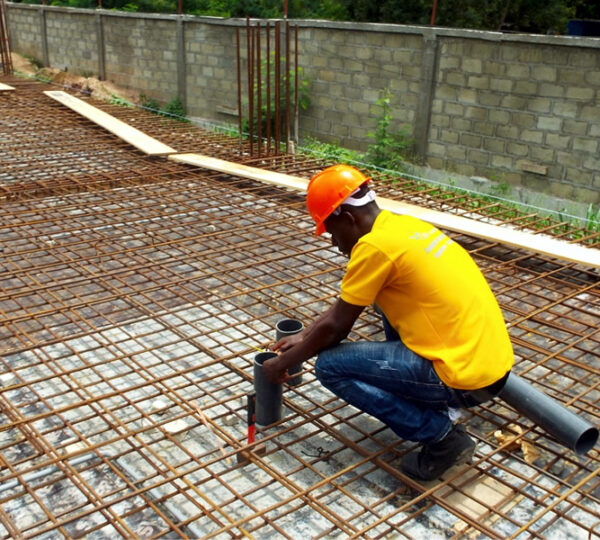
Scopex’s official website lists civil engineering services and describes the ability to support projects from feasibility through detailed design and construction management.
This service area may be relevant to clients requiring engineering input for construction and infrastructure-related projects.
Depending on the agreed engagement, civil engineering consultancy may include:
- Preliminary feasibility assessment.
- Engineering planning and technical coordination.
- Conceptual and detailed design support.
- Construction management.
- Site-related technical consultancy.
- Project supervision and coordination.
The exact disciplines, design deliverables, construction responsibilities and professional approvals available should be confirmed directly with the company.
Z. Engineering, Procurement and Quality Assurance Support
Scopex’s public company profile and professional listings also describe engineering and procurement support, quality assurance and quality control, and project-related technical services.
These services can support organisations that need assistance coordinating technical requirements, sourcing project resources and maintaining agreed quality controls.
Depending on the assignment, the work may involve technical planning, procurement coordination, inspection-related support, documentation and quality-control activities.
Clients should confirm the specific materials or equipment covered, procurement responsibilities, inspection scope, applicable standards and any required vendor or manufacturer authorisations.
AA. Health, Safety and Environmental (HSE) Audits and Inspections
Scopex’s professional profile identifies HSE audits and inspections among its broader service offerings.
HSE-related services can help organisations evaluate workplace practices, identify hazards and review selected health, safety and environmental controls.
Depending on the agreed scope, an assignment may involve site inspections, hazard identification, risk assessment, review of relevant documentation and recommendations for corrective or preventive action.
The specific HSE standards, inspection methods, personnel qualifications and deliverables should be confirmed before engagement.
AB. Workforce Training and Human Resource Development
Scopex’s public professional profile lists workforce development and training among its broader capabilities and also references an Oil and Gas Academy.
Training and development can help organisations improve technical awareness, strengthen workforce competencies and support the safe and effective execution of operational responsibilities.
Potential areas of engagement may include oil and gas-related technical learning, environmental awareness and other programmes confirmed by the company.
Clients should contact Scopex directly to verify available courses, delivery formats, schedules, entry requirements and any certificates or qualifications offered.
AC. Aquaculture, Fisheries and Livestock Consultancy
Scopex’s professional profile also identifies aquaculture, fisheries and livestock consultancy.
These services may support clients seeking technical guidance related to aquatic production, fisheries management and livestock-related activities.
The specific consultancy scope, technical specialisations and available services should be confirmed directly with the company before including detailed claims about these activities in a published listing.
3. Industries and Client Groups Served
Based on its published service portfolio, Scopex Nigeria Limited’s services may be relevant to the following industries and client groups:
- Oil and gas: Environmental assessment, laboratory analysis, crude oil assay, gas analysis, PVT studies, flow assurance, production chemistry and corrosion monitoring.
- Energy and industrial processing: Environmental monitoring, analytical testing and selected technical consultancy.
- Manufacturing and industrial facilities: Environmental testing, waste characterisation, risk assessment and operational support.
- Construction and infrastructure: Environmental impact assessment, baseline studies and civil engineering consultancy.
- Environmental management organisations: Site assessment, monitoring, remediation-related support and waste-management services.
- Government and public-sector organisations: Environmental consultancy, testing and project-specific technical services.
- Communities and private clients: Environmental assessment, testing and consultancy relevant to the agreed assignment.
- Aquaculture, fisheries and livestock-related businesses: Consultancy in areas confirmed by the company.
The availability of each service depends on the company’s current capacity and the specific project requirements.
4. Scopex Nigeria Limited’s Commitment to Quality and Client Service
Scopex Nigeria Limited’s published company profile identifies quality, client value, effective quality assurance, laboratory protocols, trained employees and delivery to budget and schedule as important strengths.
The following sections expand those stated principles into directory-ready language without implying unverified guarantees or certifications.
Quality-Focused Service Delivery
Scopex states that its mission is to render quality, non-defective services from the first time and consistently thereafter. This emphasis on quality is relevant to environmental consultancy, laboratory analysis and technical project support, where dependable processes and carefully documented results matter.
Reliable Laboratory and Analytical Practices
The company highlights the use of laboratory protocols and analytical testing in its service offering. Appropriate sample handling, suitable analytical methods, quality-control procedures and clear reporting are important elements of producing useful laboratory results.
Clients should confirm the specific analytical methods, quality-control arrangements and accreditation status relevant to any required test.
Skilled Personnel and Technical Expertise
Scopex identifies trained employees as one of its strengths. Its multidisciplinary services require technical knowledge in environmental assessment, laboratory analysis, engineering and oil and gas-related testing.
Maintaining relevant staff competencies and matching personnel to project requirements are important considerations for delivering technical services effectively.
Value-Adding Solutions
Scopex’s stated vision is to provide solutions that add value to clients’ operations and help them maintain a competitive edge.
Its environmental and technical services can help clients better understand environmental conditions, investigate operational concerns, assess selected risks and make informed decisions based on the findings of the agreed assignment.
Environmental Responsibility
Environmental assessment, monitoring, site restoration and waste-management services support responsible management of environmental impacts.
Scopex’s published portfolio reflects an emphasis on identifying environmental impacts, monitoring relevant conditions and helping clients understand and manage their environmental responsibilities.
Client-Focused Technical Support
Environmental and industrial projects often have distinct technical, operational and regulatory requirements. Clear communication, agreed scopes of work, appropriate technical recommendations and timely reporting help ensure that the services delivered are relevant to each client’s needs.
Quality Assurance and Process Improvement
Scopex identifies effective quality assurance as one of its strengths. For technical assignments, quality assurance can include the application of suitable procedures, review of work outputs, appropriate documentation and checks relevant to the service provided.
Budget and Schedule Awareness
The company’s public profile identifies the ability to deliver projects to budget and schedule as a strength. Clear project planning, realistic timelines, defined deliverables and regular communication can help support this objective.
Actual project schedules and costs should be agreed according to the scope, complexity, sample requirements and other relevant project conditions.
5. Why Choose Scopex Nigeria Limited?
Scopex Nigeria Limited’s published service portfolio offers several potential benefits for organisations seeking environmental, laboratory and industrial technical support:
- Broad environmental consultancy services: Environmental impact assessment, environmental auditing, compliance monitoring and baseline studies.
- Laboratory testing capabilities: Environmental testing across air, water, soil and waste, with selected analytical methods described on the company’s website.
- Oil and gas specialisation: Crude assay, oil fingerprinting, natural gas analysis, PVT studies, flow assurance and production chemistry.
- Corrosion monitoring: Services relevant to understanding corrosion conditions and evaluating selected monitoring and mitigation measures.
- Engineering-related support: Civil engineering consultancy and project-related technical services.
- Environmental management support: Site clean-up, remediation-related activities, waste management and sludge treatment are included in the published service portfolio.
- Quality-oriented approach: The company’s stated mission and published profile emphasise quality assurance, trained employees and laboratory protocols.
- Port Harcourt presence: Its published address places the company in Rivers State, an important location for organisations operating in the Niger Delta’s oil and gas and industrial sectors.
Prospective clients should confirm current service availability, laboratory scope, relevant technical credentials, equipment capacity and project references before making procurement decisions.
Contact Business
Opening Hours
Additional info

Los Anegles
Los Anegles
