


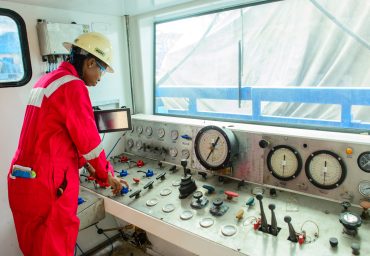


Hydroserve Oil Services Nigeria Limited (Hydroserve Oil Services) is an indigenous Nigerian oilfield services company headquartered in Rumuodara, Port Harcourt, Rivers State. Established in 2000, the company provides specialised technical services and equipment for the oil and gas industry, with a focus on well intervention, well cementing, production enhancement, high-pressure pumping, filtration and wellbore clean-up.
The company supports oil and gas operators, exploration and production companies, drilling and completion teams, and other industry contractors that require specialised equipment and technical services for well construction, well maintenance and production operations.
Hydroserve’s service portfolio is designed to address different operational requirements throughout a well’s lifecycle, including well preparation, cementing, intervention, unloading, stimulation, clean-up and production support. Its published capabilities include coiled tubing operations, nitrogen services, thru-tubing intervention, cementing solutions, cement laboratory testing, stimulation laboratory support, filtration services and specialised equipment for onshore, swamp and offshore operations.
The company emphasises engineering-led service delivery, fit-for-purpose equipment selection, technical planning and operational safety. Its published approach combines field equipment, laboratory support and engineering software to help clients plan and execute well services according to specific well conditions and operating requirements.
Hydroserve’s mission is to optimise production and provide efficient services through appropriate technology, with the objective of creating value for clients and other stakeholders.
2. Detailed Services Offered by Hydroserve Oil Services Nigeria Limited
A. Well Intervention Services
Well intervention involves specialised operations performed on an existing well to address operational challenges, restore or improve functionality, gather technical information or support production objectives.
Hydroserve’s well intervention service line includes coiled tubing, nitrogen services, thru-tubing intervention, well integrity-related support, well-kill and miscellaneous pumping services.
The company states that it has undertaken both campaign-based and spot-hire well intervention work in onshore and offshore environments.
Depending on the well and approved scope, its intervention services can support:
- Well unloading and clean-up.
- Removal of selected downhole obstructions.
- Production enhancement treatments.
- Wellbore clean-out operations.
- Selected mechanical intervention activities.
- Cement placement and zonal isolation.
- Nitrogen-assisted operations.
- Well integrity-related work.
- Specialised pumping and fluid-placement activities.
Well intervention programmes require careful planning based on well geometry, pressure conditions, fluid properties, completion configuration and operational objectives. The equipment, procedures and personnel required are therefore determined for each assignment.
B. Coiled Tubing Services
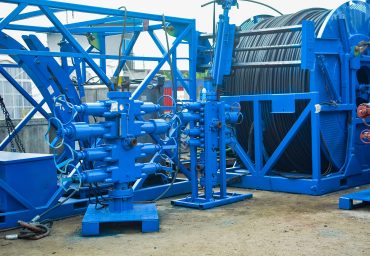
Coiled tubing is a continuous length of tubing deployed into a well using specialised surface equipment. It can be used to circulate fluids, place chemicals, remove deposits, support well clean-up and carry out selected intervention operations without necessarily requiring a conventional workover rig.
Hydroserve identifies coiled tubing as a core service and publishes information about its fleet of coiled tubing packages for land, swamp and offshore operations.
Its coiled tubing services can support:
- Well clean-out and removal of selected deposits.
- Circulation and pumping of fluids.
- Nitrogen-assisted well unloading.
- Stimulation and matrix acidising.
- Thru-tubing intervention.
- Selected fishing and milling operations.
- Cement placement and plug-related work.
- Miscellaneous well intervention pumping.
- Production enhancement treatments.
Hydroserve describes a range of coiled tubing configurations, including truck-mounted, trailer-mounted and skid-mounted units. Its published materials also reference pressure-control equipment for intervention operations.
The exact equipment package, tubing specifications, working pressure, operating envelope and mobilisation requirements should be confirmed with the company for each project.
C. Nitrogen Services and Well Unloading
Nitrogen services are used in oilfield operations where nitrogen injection can help reduce hydrostatic pressure, assist fluid displacement or support the unloading of wells.
Hydroserve lists nitrogen services as part of its well intervention offering. Its published service information describes nitrogen lift and well unloading for newly completed wells, wells following workovers and wells that require assistance in removing fluids that inhibit flow.
Depending on the operational programme, nitrogen services may support:
- Nitrogen-assisted well unloading.
- Fluid displacement and circulation.
- Support for selected well clean-up operations.
- Nitrogen pumping during intervention activities.
- Well-start-up and production-related operations.
- Other approved nitrogen-assisted well services.
Hydroserve’s published equipment information includes nitrogen pumping and conversion equipment. Its website describes equipment with specified working-pressure and flow capabilities, which must be verified against current equipment documentation before being used in a procurement decision.
Nitrogen operations require appropriate pressure control, hazard assessment and operating procedures. Equipment selection and treatment design should reflect the well conditions, expected fluid behaviour and client’s approved programme.
D. Thru-Tubing Intervention
Thru-tubing intervention involves deploying specialised tools through existing tubing or completion restrictions to perform selected mechanical or remedial operations.
Hydroserve includes thru-tubing work in its well intervention service line and describes the use of coiled tubing and specialised bottom-hole assemblies for certain operations.
Its published service information references work such as fishing and milling. Depending on the well configuration and approved scope, these operations may help address selected downhole obstructions or equipment-related challenges.
Thru-tubing intervention may involve:
- Technical assessment of the well and the required operation.
- Selection of suitable tools and bottom-hole assemblies.
- Planning of the intervention sequence.
- Modelling of relevant tubing forces and operating conditions.
- Execution of the approved intervention.
- Review and documentation of the operation.
The specific tools, access restrictions, pressure limits and intervention objectives should be assessed before mobilisation.
E. Well Clean-Out and Debris Removal
Wellbore debris, sand, scale and other deposits can restrict flow, affect production and complicate well operations.
Hydroserve offers well clean-out services intended to remove selected debris and deposits from wellbores and tubing.
Its published service information describes the use of coiled tubing and specialised jetting tools for clean-out operations. Depending on the well and the job programme, clean-out services may support:
- Removal of sand and accumulated debris.
- Removal of selected deposits and fill.
- Tubing clean-out.
- Circulation and displacement of accumulated material.
- Hydraulic jetting operations.
- Support for restoring wellbore access.
- Preparation of a well for subsequent intervention or production activities.
The clean-out method depends on the type of deposit, well geometry, fluid compatibility, available access and operational conditions. The company should confirm the equipment and procedures suitable for each application.
F. Production Enhancement and Well Stimulation
Production enhancement involves applying suitable technical methods to address factors that may restrict a well’s production performance.
Hydroserve identifies production enhancement and stimulation among its well intervention capabilities. Its published materials describe laboratory-supported stimulation and matrix acidising through coiled tubing.
Depending on the well conditions and treatment objectives, production enhancement services may involve:
- Evaluation of selected production-related challenges.
- Laboratory assessment of well samples.
- Design support for stimulation treatments.
- Matrix acidising.
- High-pressure pumping for approved treatments.
- Selected sand consolidation treatments.
- Selected water shut-off treatments.
- Wax-mitigation treatments.
- Post-treatment data collection and performance review.
Stimulation design should account for formation characteristics, fluid compatibility, treatment chemistry, pressure limits and the operator’s production objectives.
Hydroserve’s published information references laboratory support for evaluating samples and treatment behaviour. Clients should confirm the specific laboratory tests, chemical systems and treatment capabilities available for their projects.
G. Matrix Acidising and Chemical Treatment Support
Matrix acidising is a stimulation technique in which a suitable acid system is introduced into a formation under controlled conditions to address certain forms of formation damage or improve flow pathways.
Hydroserve lists matrix acidising among its production enhancement services and describes laboratory-supported treatment design.
Depending on the project, this service may involve:
- Review of the well history and treatment objectives.
- Assessment of relevant fluid and formation information.
- Laboratory testing for compatibility and dissolution or suspension behaviour.
- Selection of a suitable treatment approach.
- Coiled tubing deployment and controlled pumping.
- Monitoring of relevant treatment parameters.
- Post-treatment evaluation, where included in the approved programme.
The appropriate treatment depends on formation mineralogy, fluid compatibility, well integrity and other technical considerations. No particular production increase should be assumed without project-specific evidence.
H. Water Shut-Off and Sand Consolidation Treatments
Hydroserve’s published production enhancement information references collaborative treatment options, including water shut-off and sand consolidation.
Water shut-off treatments are intended to reduce unwanted water production in suitable wells. Sand consolidation treatments are designed to help stabilise formation sand in appropriate conditions.
Depending on the well, these treatments may require:
- Assessment of the production problem.
- Review of available well and formation information.
- Laboratory testing and chemical compatibility evaluation.
- Selection of a treatment system.
- Pumping and placement of treatment materials.
- Monitoring and review of the treatment outcome.
The feasibility of these treatments depends on the source of unwanted water or sand, the completion design, reservoir conditions and the suitability of the selected treatment. Specific availability and technical scope should be confirmed directly with Hydroserve.
I. Wax Mitigation and Flow-Related Treatments
Wax deposition can restrict flow and contribute to production and transportation difficulties in certain petroleum systems.
Hydroserve references wax-mitigation treatments within its production enhancement service information.
Depending on the operational requirement, wax-related services may involve assessing the issue, selecting a suitable treatment, preparing the required chemical or pumping arrangement and applying the treatment through an approved intervention method.
The appropriate approach depends on crude oil properties, operating temperatures, deposition behaviour and the affected equipment or well section. Clients should confirm the available treatment options and supporting laboratory work with the company.
J. Well Cementing Services
Well cementing is a critical operation in well construction, remedial intervention and well decommissioning. Cement is placed in specified sections of a well to provide zonal isolation, support casing and help protect the integrity of the wellbore.
Hydroserve has published information about providing cementing services since 2014, including work in land and swamp environments. Its cementing offering is designed around the specific pressure, temperature and operational requirements of each well.
The company’s published cementing service categories include:
- Primary cementing.
- Remedial cementing.
- Miscellaneous pumping.
- Cementing for well decommissioning.
- Cement slurry design.
- Cement laboratory testing.
- Cementing software and simulation.
- Cementing equipment and bulk-material handling.
The cementing programme should be developed according to the well design, fluid properties, operating conditions and the required cement performance.
K. Primary Cementing
Primary cementing is generally performed during well construction to place cement in the annular space around casing and establish the required zonal isolation.
Hydroserve describes its primary cementing approach as using engineered slurry designs adapted to the conditions and requirements of individual wells.
Its published cementing information highlights the importance of parameters such as:
- Slurry density.
- Rheological properties.
- Fluid-loss control.
- Thickening time.
- Compressive strength.
- Displacement planning.
- Temperature and pressure conditions.
A properly engineered cementing programme aims to provide the required cement placement and isolation performance while accounting for the well’s operating conditions.
The specific cementing design, materials, equipment, testing and operational responsibilities should be agreed with the client for each job.
L. Remedial Cementing and Miscellaneous Pumping
Remedial cementing is used to address selected cementing or well integrity problems after the initial well construction phase.
Hydroserve lists remedial cementing and miscellaneous pumping among its services. Its published materials describe the use of tailored techniques for well rehabilitation and addressing issues such as casing leaks and interzonal communication.
Depending on the diagnosed problem and approved programme, the service may involve:
- Reviewing well history and available diagnostic information.
- Designing a suitable remedial cementing approach.
- Preparing the cement slurry or required treatment materials.
- Pumping and placing materials under controlled conditions.
- Monitoring operational parameters.
- Supporting evaluation of the completed work.
The appropriate remedial approach depends on the location and nature of the problem, well integrity, pressure limits and the expected performance of the selected material.
M. Cementing for Well Decommissioning and Abandonment
Well decommissioning requires appropriate measures to isolate the well and reduce the risk of unwanted fluid movement through the wellbore.
Hydroserve lists cementing for well decommissioning and describes cement plug placement through coiled tubing as one of its intervention-related capabilities.
Depending on the well and approved abandonment programme, cement-related services may include:
- Planning cement placement for selected zones.
- Designing slurry properties to suit the required placement and setting conditions.
- Pumping cement through appropriate equipment.
- Supporting temporary or permanent plug-related operations.
- Documenting the work performed and relevant job parameters.
Abandonment work must follow the operator’s approved programme and applicable regulatory requirements. The precise scope and acceptance criteria should be agreed before the operation begins.
N. Cement Laboratory Services
Hydroserve provides cement laboratory services to support cement slurry design and evaluation.
Its website states that cement laboratory testing is carried out with reference to API 10A and API 10B-2 specifications. The company describes the use of conventional and specialised testing equipment and laboratory procedures.
Its published cement testing parameters include:
- Slurry viscosity and rheology.
- Slurry density.
- Compressive strength.
- Fluid loss.
- Static gel strength.
- Thickening time.
These measurements help engineers evaluate whether a proposed cement slurry is appropriate for the planned placement and well conditions.
Laboratory results can support slurry selection and job design, but the exact test programme should reflect the cementing objective, well conditions and client specifications. Clients should confirm current laboratory scope, methods and any applicable accreditation status.
O. Cementing Software and Engineering Simulation
Hydroserve describes the use of PVISoftware CEMPRO+ for cementing simulation and design optimisation.
Cementing simulation can help engineers assess how changes in design and operating parameters may affect the planned operation.
Its published service information references modelling considerations such as:
- Mud displacement.
- Slurry properties.
- Cement and fluid volumes.
- Pumping rates.
- Pipe movement and centralisation.
- Temperature and pressure effects.
- Displacement behaviour.
Simulation can support technical planning and help identify issues requiring attention before execution. It should be used alongside appropriate engineering judgement, validated input data and the approved well programme.
P. Cementing Equipment and Bulk Handling
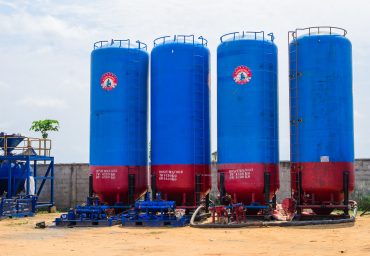
Hydroserve’s published cementing service catalogue includes cementing equipment, silos and bulk equipment, cement heads and cement pump units.
Such equipment supports the storage, handling, mixing, pumping and placement of cement during well cementing operations.
Depending on the job requirements and equipment configuration, the cementing spread may include suitable bulk-material handling equipment, pumping units and related wellsite equipment.
Clients should confirm the equipment configuration, pressure ratings, capacity, maintenance status, inspection records and mobilisation arrangements for the proposed operation.
Q. Filtration Services
Filtration is used to remove selected suspended solids and contaminants from fluids before those fluids are introduced into or circulated through a well.
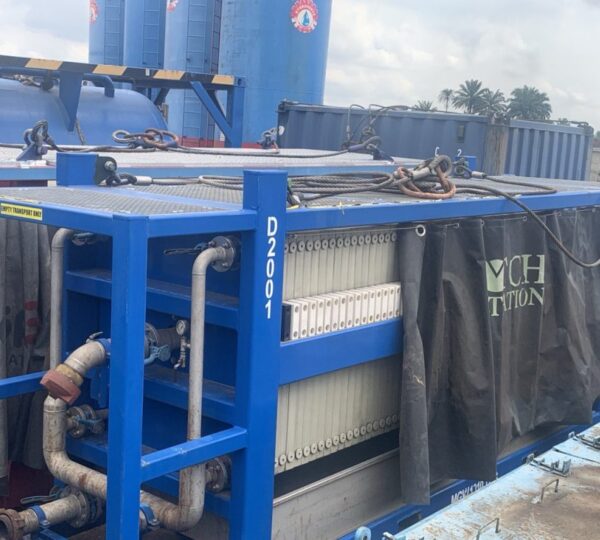
Hydroserve provides filtration services for completion fluids and related wellbore operations. Its published information describes filtration systems intended to reduce suspended debris and drilling-fluid particles to the client’s required specification.
Its filtration service may support:
- Brine filtration.
- Completion-fluid filtration.
- Removal of selected suspended solids.
- Fluid conditioning before well operations.
- Filtration during preparation or maintenance of well fluids.
- Support for fluid-quality requirements.
- Filtration-related equipment deployment and operation.
Effective filtration can help reduce the introduction of unwanted solids into sensitive well systems and support the intended performance of completion fluids.
The required filtration rating, flow rate, fluid compatibility, equipment capacity and acceptance criteria should be agreed before the service begins.
R. Brine Filtration and Completion Fluid Management
Brine and other completion fluids may require filtration to meet specified cleanliness requirements before being used in a well.
Hydroserve lists brine filtration as a service and publishes a project example involving filtered brine in an oilfield application.
Depending on the scope, the service may involve:
- Reviewing the required fluid specification.
- Selecting suitable filtration equipment.
- Processing the required fluid volume.
- Monitoring relevant filtration parameters.
- Assessing fluid quality against agreed criteria.
- Documenting the completed work.
Completion-fluid quality requirements depend on the well design and operational objectives. Clients should confirm the available filtration capacity, target cleanliness, fluid compatibility and verification procedures.
S. Wellbore Clean-Up Solutions
Wellbore clean-up aims to remove unwanted debris, residual fluids and contaminants from a well before completion, production or another planned operation.
Hydroserve’s published service catalogue describes wellbore clean-up solutions that combine chemical, mechanical and hydraulic methods, with the objective of improving well cleanliness and reducing the potential for debris-related problems.
Depending on the job, clean-up operations may involve:
- Assessment of the clean-up requirements.
- Selection of suitable chemical systems.
- Mechanical clean-up tools.
- Hydraulic circulation or jetting.
- Removal or displacement of selected contaminants.
- Fluid conditioning and filtration.
- Monitoring and documentation of the operation.
The clean-up programme should be designed according to the completion configuration, fluid properties, expected debris and the client’s required cleanliness criteria.
Hydroserve’s website also references technical collaboration with Rigforms Nigeria Limited for wellbore clean-up solutions. The exact current scope of this arrangement should be confirmed before it is represented as an active partnership in a directory listing.
T. High-Pressure Pumping and Miscellaneous Pumping
High-pressure pumping supports a range of oilfield activities that require fluids or treatment materials to be delivered at controlled rates and pressures.
Hydroserve’s published service portfolio includes pumping associated with cementing, well intervention, nitrogen services and stimulation.
Depending on the approved programme, pumping services may support:
- Cement slurry placement.
- Stimulation and acidising treatments.
- Nitrogen-assisted operations.
- Well clean-up and circulation.
- Selected remedial treatments.
- Other well-related pumping requirements.
Pumping equipment must be selected according to the fluid being handled, required flow rate, pressure conditions, operating environment and job-specific safety controls.
The exact pumping services, equipment specifications and limits should be confirmed with Hydroserve before a project is awarded.
U. Well Integrity-Related Support
Well integrity involves maintaining appropriate barriers and controlling the risks associated with the well’s pressure-containing systems throughout its operating life.
Hydroserve includes well integrity-related work within its well intervention service line and publishes associated well control and pressure-control equipment information.
Depending on the approved scope, relevant services may support selected well intervention, well maintenance, cementing, remedial pumping and well isolation activities.
The company and client should establish the precise integrity objective, required diagnostics, barrier requirements, equipment specifications and acceptance criteria before the work begins.
V. Industrial and Field Support Services
Hydroserve’s historical public business profiles also refer to high-pressure pumping, industrial cleaning, pipeline pigging, tank cleaning and chemical cleaning of heat exchangers. <Cite refs={[“turn845296search3″,”turn845296search8”]} />
Because Hydroserve Group now identifies Dominion Pipeline Process Limited as a separate group company focused on pipeline and process services, clients should confirm which entity currently performs any requested pipeline pigging, industrial cleaning, hydrotesting or pipeline pre-commissioning service before these are attributed directly to Hydroserve Oil Services Nigeria Limited. <Cite refs={[“turn845296search5″,”turn845296search9”]} />
3. Industries and Client Groups Served
Hydroserve Oil Services Nigeria Limited’s published services are primarily relevant to upstream oil and gas operations.
Its potential client groups include:
- Oil and gas exploration and production companies.
- Drilling and well construction contractors.
- Well completion and intervention teams.
- Onshore and swamp field operators.
- Offshore operators and service contractors.
- Production and reservoir engineering teams.
- Well maintenance and integrity teams.
- Oilfield project managers and procurement departments.
- Contractors requiring cementing, pumping or filtration support.
- Energy-sector organisations with relevant well-service requirements.
The company’s service suitability depends on the technical requirements of each job, the operating environment and the equipment and personnel available.
4. Hydroserve Oil Services Nigeria Limited’s Commitment to Clients
Hydroserve states that it is committed to upholding high standards of safety, efficiency, ethics and social responsibility. Its published company information also highlights investment in personnel, equipment, facilities and operating processes. <Cite refs={[“turn845296search6″,”turn845296search10”]} />
These commitments can be presented on SureIndex as follows.
Commitment to Health, Safety and Environmental Responsibility
Oilfield operations can involve high pressure, hydrocarbons, specialised chemicals and challenging working environments. Hydroserve identifies safety and social responsibility as important elements of its business approach.
Safe execution requires job-specific risk assessment, appropriate equipment selection, competent personnel, effective communication and adherence to the approved operating programme. Clients should confirm the relevant safety procedures and documentation for each contract.
Commitment to Quality and Technical Standards
Hydroserve’s cementing services incorporate laboratory testing, engineered slurry design and software-based simulation. Its published laboratory information references API 10A and API 10B-2 specifications.
These processes support the technical evaluation and preparation of cementing programmes. The applicable standards, test methods and quality documentation should be confirmed for the specific service being purchased.
Commitment to Operational Efficiency
Hydroserve’s stated mission is to optimise production and provide efficient services through appropriate technology.
Its well intervention, production enhancement, filtration and cementing services are intended to address defined operational needs and help clients plan their work effectively. Actual outcomes depend on well conditions, the selected technical approach and the agreed project objectives.
Commitment to Technical Competence
The company highlights investment in personnel, equipment and facilities. Its service portfolio combines field operations, laboratory testing and engineering simulation, all of which require suitable technical expertise.
Clients can support effective delivery by agreeing on the required personnel competencies, equipment specifications, supervision arrangements and technical deliverables before mobilisation.
Commitment to Appropriate Technology
Hydroserve describes the use of specialised well-service equipment, laboratory testing and engineering software in its operations.
The selection of fit-for-purpose technology can help ensure that a service is designed around the requirements of the particular well, fluid system and operating environment.
Commitment to Ethical Business Practices
Hydroserve identifies ethics as one of its corporate commitments. Ethical service delivery includes clear communication, professional conduct, transparent scopes of work and respect for agreed contractual responsibilities.
Commitment to Client Relationships
The company states that it values relationships and seeks to deliver services that meet client requirements. Its service portfolio allows clients to enquire about different well-service needs, from cementing and filtration to intervention and production enhancement.
Clear communication about scope, schedules, equipment, deliverables and commercial terms helps establish a productive working relationship.
Commitment to Social Responsibility
Hydroserve includes social responsibility among its stated corporate commitments. Responsible operations in the communities where oilfield work is performed require attention to local conditions, environmental considerations and applicable site requirements.
Specific community programmes and environmental initiatives should be confirmed with the company before being described as current activities.
5. Why Choose Hydroserve Oil Services Nigeria Limited?
Hydroserve’s published service portfolio offers several potential advantages for oil and gas operators and contractors seeking specialised well services.
- Integrated well-service capabilities: The company lists coiled tubing, nitrogen services, thru-tubing intervention, cementing, filtration and wellbore clean-up.
- Onshore, swamp and offshore experience: Its published service information describes operations and equipment for different oilfield environments.
- Engineering-led cementing: Laboratory testing and simulation support cement slurry evaluation and job planning.
- Production enhancement support: Its portfolio includes stimulation and selected treatments intended to address well-performance challenges.
- Specialised filtration services: Brine and completion-fluid filtration can help clients meet agreed fluid-quality requirements.
- Equipment and operational support: The company publishes information about coiled tubing spreads, nitrogen equipment, cementing equipment and pressure-control systems.
- Safety and efficiency focus: Safety, ethics, efficiency and social responsibility are identified as company commitments.
- Port Harcourt headquarters: Its location in Rumuodara provides a business contact point for operators and contractors working in Rivers State and the wider Niger Delta.
Prospective clients should assess the company’s current equipment availability, personnel qualifications, service capacity, technical documentation and relevant project references against the needs of their particular assignment.
Contact Business
Opening Hours
Additional info

Los Anegles
Los Anegles
