
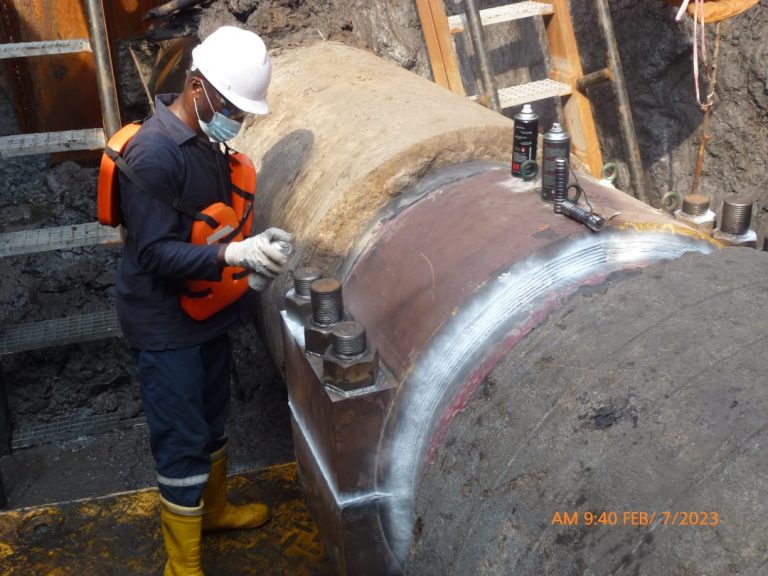
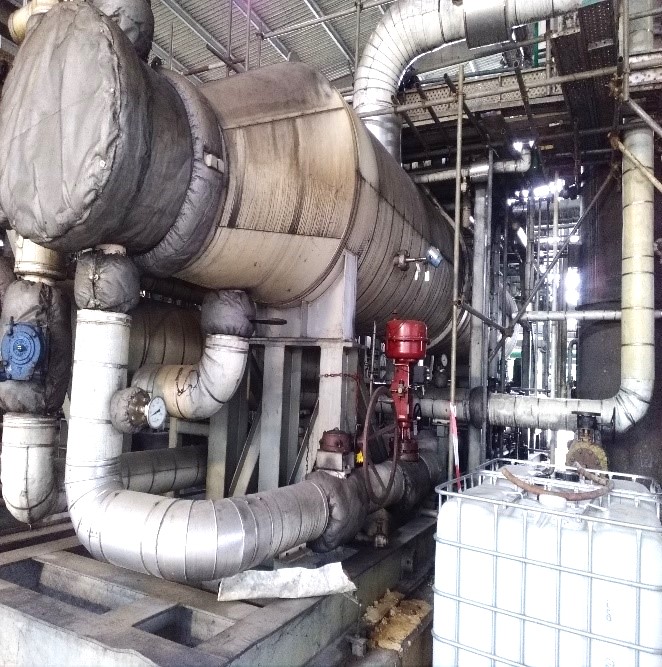
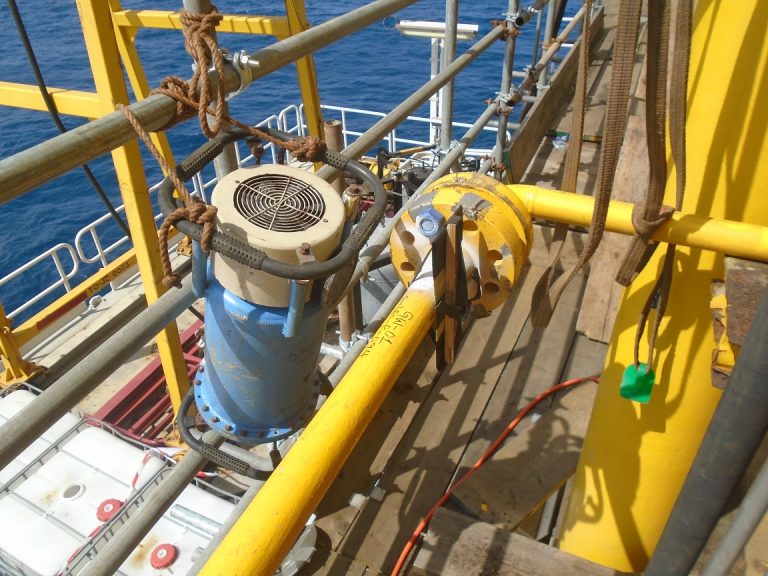
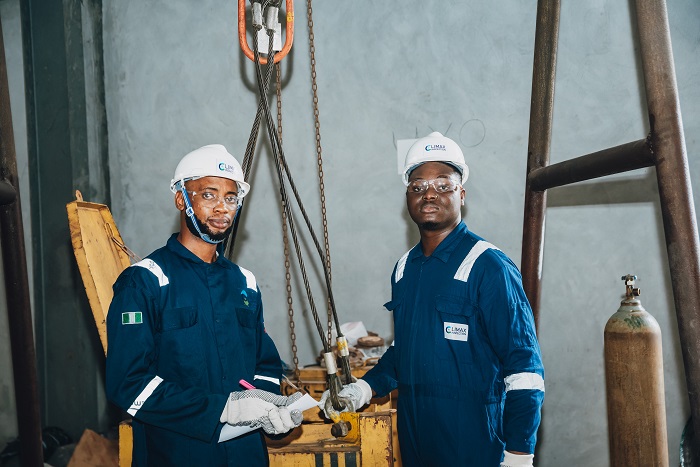
Climax Inspection Services Limited (CIS) is an indigenous Nigerian inspection, non-destructive testing (NDT) and asset reliability services company established in 2009. Headquartered at Plot 288 Danjuma Drive, Trans Amadi Industrial Layout, Port Harcourt, Rivers State, the company provides specialised inspection, testing and technical services to organisations operating in the oil and gas, energy, engineering, manufacturing, construction and other industrial sectors.
Climax Inspection Services focuses on identifying defects, evaluating the condition of materials and equipment, monitoring asset integrity and supporting the safe and reliable operation of industrial facilities. Through its inspection and reliability services, the company helps clients detect potential equipment problems, reduce the risk of unexpected failures, improve maintenance planning and protect critical infrastructure.
Its service portfolio includes Non-Destructive Testing (NDT), lifting equipment inspection, pressure vessel inspection, pipeline and asset integrity inspection, corrosion monitoring and mapping, rope access inspection, pressure and leak testing, Positive Material Identification (PMI), hardness testing, calibration and industrial maintenance support.
The company also provides specialised access solutions for difficult-to-reach industrial locations, including rope access and confined-space operations. These capabilities enable inspection, cleaning and maintenance work to be undertaken in areas where conventional access methods may be difficult or impractical.
In addition to inspection and technical services, Climax Inspection Services offers practical NDT training designed to develop technical skills and prepare personnel for industrial inspection assignments.
With its focus on inspection accuracy, technical competence, safety and reliability, Climax Inspection Services aims to help businesses maintain equipment integrity, improve operational performance and protect people, facilities and industrial assets.
2. Services Offered by Climax Inspection Services Limited
A. Non-Destructive Testing (NDT) Services
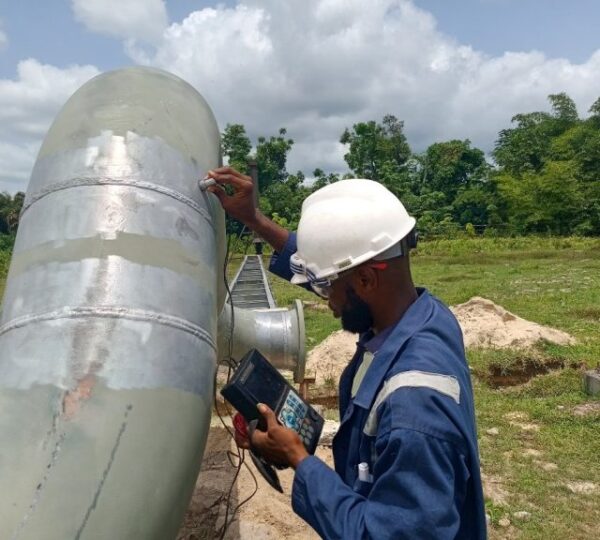
Non-Destructive Testing is one of the company’s principal areas of specialisation. NDT involves examining materials, components, welds and structures to identify defects or discontinuities without causing damage to the items being inspected.
These inspection techniques help organisations evaluate the condition of equipment and infrastructure while allowing them to remain suitable for further use where inspection results support that decision.
Climax Inspection Services provides different NDT methods for evaluating industrial materials, welded joints, pipelines, pressure equipment and other critical assets.
Its NDT services include:
1. Ultrasonic Testing (UT)
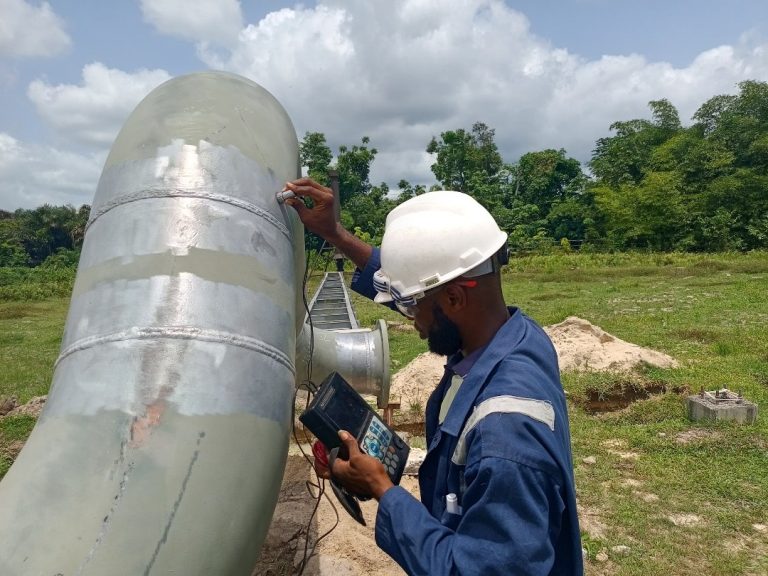
Ultrasonic Testing uses high-frequency sound waves to examine materials and identify internal defects or variations in material thickness.
Applications include:
- Weld inspection.
- Detection of internal material discontinuities.
- Corrosion and wall-thickness measurement.
- Inspection of pipes and pressure equipment.
- Assessment of structural components.
- Thickness monitoring of industrial equipment.
- Condition assessment of metallic materials.
UT helps clients identify defects and material degradation that may not be visible during ordinary visual inspection.
2. Radiographic Testing (RT)
Radiographic Testing uses X-rays or gamma radiation to examine the internal condition of materials and welded joints. The resulting radiographic image can reveal internal imperfections that may affect the integrity of a component.
Applications include:
- Weld quality inspection.
- Pipeline weld examination.
- Detection of internal weld defects.
- Inspection of fabricated components.
- Examination of pressure equipment.
- Quality control during fabrication and construction.
Radiographic Testing is particularly useful for assessing the quality of welded connections in industrial and oil and gas projects. It must be performed by appropriately qualified personnel under applicable radiation-safety controls.
3. Magnetic Particle Testing (MPT/MPI)
Magnetic Particle Testing is used to detect surface and near-surface discontinuities in ferromagnetic materials.
The technique involves magnetising the material and applying suitable magnetic particles to reveal indications associated with defects.
Applications include:
- Weld inspection.
- Detection of surface cracks.
- Examination of fabricated steel components.
- Inspection of lifting equipment.
- Examination of structural components.
- Quality control during manufacturing and maintenance.
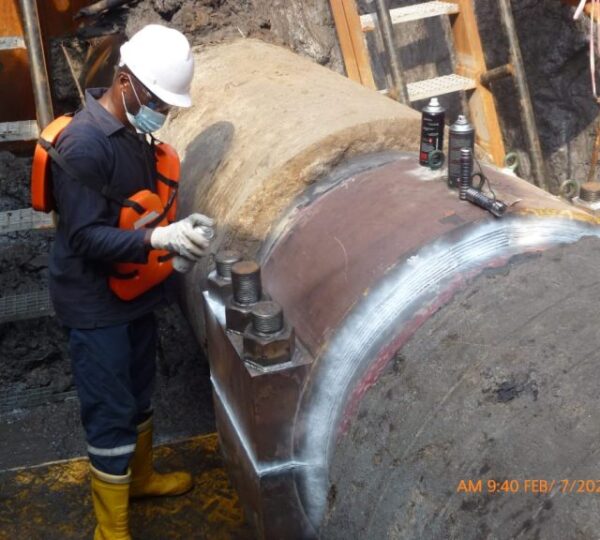
4. Dye Penetrant Testing (DPT/Liquid Penetrant Testing)
Dye Penetrant Testing is used to identify surface-breaking defects in non-porous materials.
A penetrant is applied to the inspection surface and allowed to enter surface openings. After the required processing stages, relevant indications can be identified.
Applications include:
- Surface crack detection.
- Weld inspection.
- Examination of machined components.
- Inspection of non-ferromagnetic materials.
- Fabrication quality control.
- Maintenance and repair inspection.
5. Phased Array Ultrasonic Testing (PAUT)
Phased Array Ultrasonic Testing is an advanced ultrasonic inspection technique that uses multiple ultrasonic elements and electronically controlled beam angles to examine materials.
It can provide detailed inspection information and imaging to support the evaluation of welds and other components.
Applications include:
- Advanced weld inspection.
- Examination of pipeline welds.
- Assessment of complex components.
- Detection and evaluation of material discontinuities.
- Inspection of industrial pressure equipment.
- Supporting quality control during fabrication and construction.
6. Long-Range Ultrasonic Testing (LRUT)
Long-Range Ultrasonic Testing is used to screen extended sections of pipes and similar structures from a limited number of inspection locations.
It can help identify areas requiring further investigation, particularly where conventional inspection access is difficult.
Applications include:
- Pipeline screening.
- Corrosion screening.
- Inspection of difficult-to-access pipe sections.
- Assessment of pipework in industrial facilities.
- Identification of areas requiring follow-up inspection.
7. Visual Testing (VT)
Visual Testing involves examining the visible condition of materials, welds, equipment and structures to identify surface defects, deterioration and other indications.
Applications include:
- General equipment condition inspection.
- Weld visual examination.
- Structural inspection.
- Surface defect identification.
- Fabrication quality control.
- Inspection before and after maintenance activities.
The appropriate NDT method depends on the material, component geometry, suspected defect, accessibility and applicable inspection requirements.
B. Lifting Equipment Inspection Services
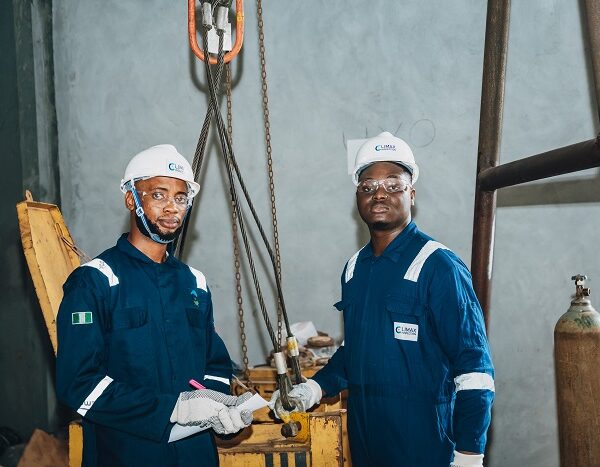
Climax Inspection Services provides lifting equipment inspection services to support the safe use and condition assessment of equipment used for lifting, rigging and material handling.
Lifting equipment is exposed to mechanical loads, wear, fatigue, corrosion and other operating conditions that can affect its safety and reliability. Regular inspection helps identify defects and deterioration before they develop into serious operational hazards.
Its lifting equipment inspection services support organisations that use lifting devices and accessories in industrial, construction, marine and oil and gas environments.
Typical inspection areas include:
- Cranes and lifting appliances.
- Hoists and winches.
- Slings and lifting accessories.
- Shackles and hooks.
- Lifting beams and spreader beams.
- Rigging equipment.
- Wire ropes and associated components.
- Other lifting appliances and accessories within the agreed inspection scope.
Inspection activities may include visual examination, dimensional checks, condition assessment, examination of relevant identification and documentation, and NDT where required.
The objective is to help clients identify damage, deformation, wear, corrosion and other conditions that may affect equipment integrity.
Where statutory examination, load testing or certification is required, the specific scope and authorisation should be agreed with the company and relevant competent persons.
C. Asset Integrity Management and Inspection
Asset integrity management focuses on maintaining the safety, reliability and fitness-for-service of industrial equipment and infrastructure throughout their operating life.
Climax Inspection Services provides inspection and reliability support to help clients understand the condition of critical assets and identify deterioration that could lead to equipment failure.
Its asset integrity services include:
- Asset condition inspection.
- Equipment integrity assessment.
- Pipeline and process equipment inspection.
- Corrosion monitoring.
- Wall-thickness measurement.
- Identification of material degradation.
- Inspection of critical plant components.
- Defect identification and reporting.
- Inspection planning support.
- Recommendations for further examination and maintenance.
The company’s inspection approach is intended to help clients identify potential problems early, make informed maintenance decisions and reduce the likelihood of unexpected equipment failures.
D. Pipeline Inspection and Integrity Services
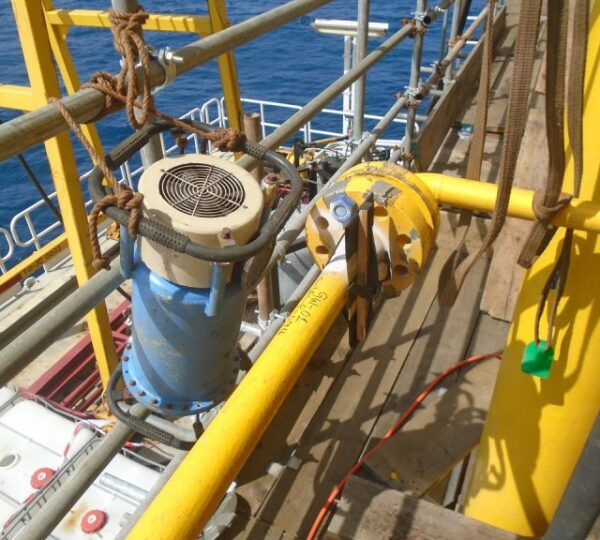
Pipelines are critical components of oil and gas production, processing and distribution infrastructure. Their integrity can be affected by corrosion, erosion, mechanical damage, material defects and operating conditions.
Climax Inspection Services provides pipeline inspection and integrity-related services to support the evaluation and monitoring of pipeline conditions.
Its pipeline inspection services include:
- Ultrasonic testing of pipeline components.
- Radiographic examination of pipeline welds.
- Magnetic particle inspection.
- Dye penetrant inspection.
- Long-range ultrasonic testing.
- Pipeline wall-thickness measurement.
- Corrosion monitoring.
- Corrosion mapping.
- Weld inspection.
- Identification of defects and material discontinuities.
- Pipeline condition assessment.
- Inspection reporting and technical recommendations.
These services help operators identify areas requiring further assessment, maintenance or repair and support the management of pipeline integrity.
E. Pressure Vessel and Industrial Equipment Inspection
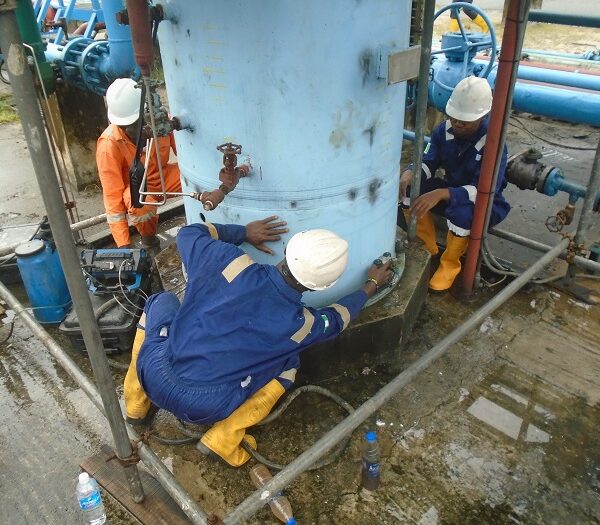
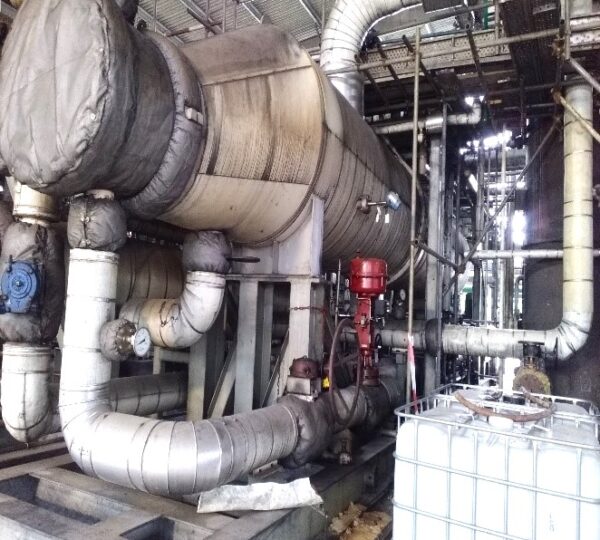
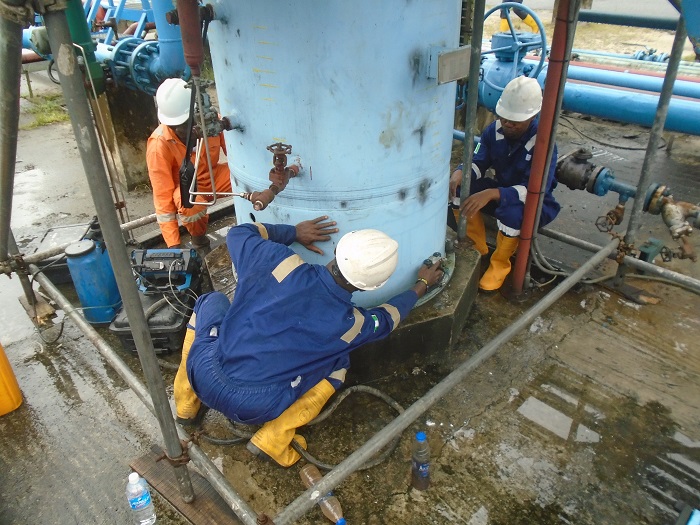
Pressure vessels and other pressurised equipment operate under conditions that require careful inspection and maintenance. Defects, corrosion, wall thinning and deterioration can affect equipment integrity and safe operation.
Climax Inspection Services identifies API pressure vessel inspection among its published service offerings.
Its pressure vessel and equipment inspection activities may include:
- Visual examination of accessible vessel surfaces.
- Ultrasonic thickness measurement.
- Corrosion assessment.
- Weld inspection.
- Inspection of relevant pressure equipment components.
- NDT of selected areas.
- Condition assessment and reporting.
- Identification of areas requiring further examination.
The company also advertises API pressure vessel inspection services. The applicable API standard, inspection scope and any required API authorisation should be confirmed before a client relies on the service for a specific regulatory or certification purpose.
F. Corrosion Monitoring and Mapping
Corrosion can gradually reduce the thickness and structural integrity of pipelines, pressure vessels, storage equipment and other metallic assets.
Climax Inspection Services provides corrosion monitoring and mapping services to help clients identify corrosion activity, assess material deterioration and monitor equipment condition.
Its services include:
- Ultrasonic thickness measurement.
- Corrosion monitoring.
- Corrosion mapping.
- Wall-thickness assessment.
- Identification of areas affected by corrosion.
- Monitoring of selected equipment and pipework.
- Inspection of corrosion-prone locations.
- Reporting of observed deterioration.
- Technical information to support maintenance planning.
Corrosion mapping can help establish the distribution and extent of wall thinning in selected areas, supporting decisions about further inspection, maintenance or repair.
These services are relevant to oil and gas facilities, processing plants, industrial installations and other operations where corrosion can affect equipment reliability.
G. Rope Access Inspection Services
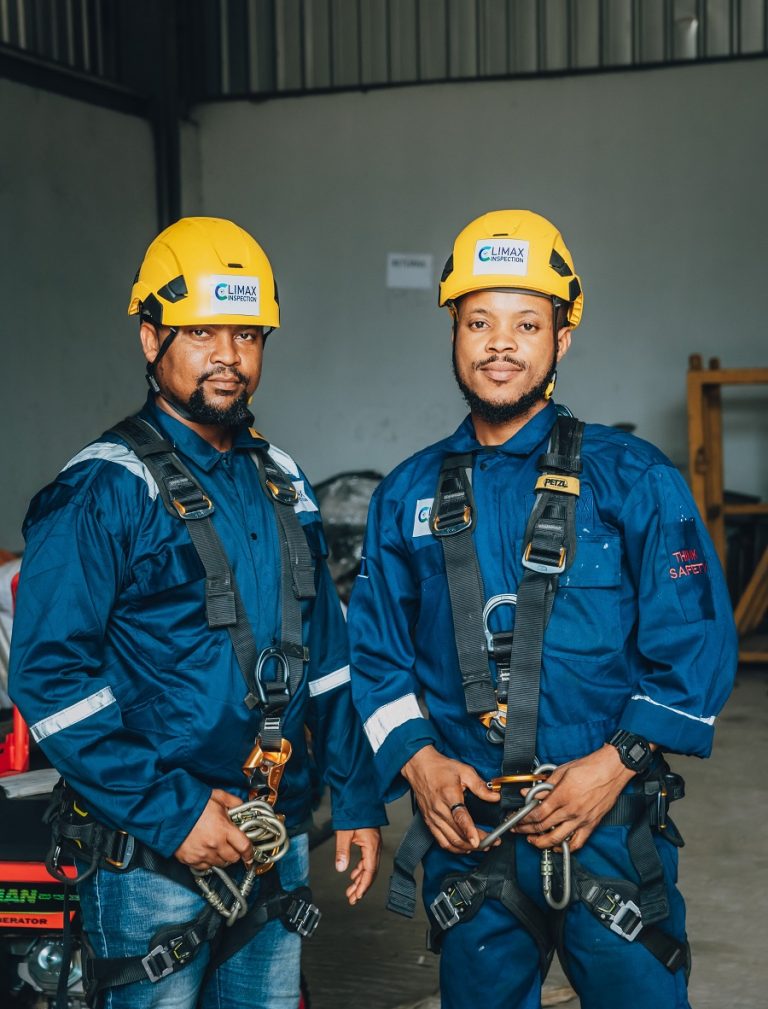
Climax Inspection Services provides rope access solutions for inspection and maintenance activities in elevated, restricted or difficult-to-reach locations.
Rope access uses specialised equipment, techniques and trained personnel to reach work areas where conventional scaffolding, cranes or other access arrangements may be difficult to deploy.
The company is listed in the IRATA International member directory as a full operator. This is a relevant credential for its rope access activities; clients should confirm the current membership status and the specific personnel qualifications required for each assignment.
Its rope access services include:
- Rope access inspection.
- Elevated structural inspection.
- Access support for industrial equipment.
- Inspection of difficult-to-reach locations.
- Rope access-assisted NDT.
- Maintenance support at height.
- Industrial cleaning in elevated areas.
- Access support for confined or restricted industrial environments.
Rope access can reduce the need for extensive temporary access structures, depending on the location, risk assessment and nature of the work.
H. Confined Space Entry and Industrial Cleaning
Climax Inspection Services provides confined-space and specialised industrial cleaning support for equipment and locations that may be difficult to access using conventional methods.
Its published project updates include reactor cleaning activities carried out using rope access and confined-space entry capabilities.
These services are relevant to industrial facilities where internal equipment surfaces, vessels or process systems require cleaning before inspection, maintenance or return to service.
Its services include:
- Confined-space entry support.
- Industrial reactor cleaning.
- Cleaning of selected industrial equipment.
- Access planning for restricted work areas.
- Rope access-assisted cleaning.
- Support for inspection and maintenance preparation.
- Work in difficult-access industrial locations.
Confined-space operations require appropriate hazard identification, atmospheric testing, entry permits, rescue arrangements, trained personnel and suitable protective equipment.
The exact cleaning methods and equipment covered by the company’s service should be confirmed against the project requirements.
I. Positive Material Identification (PMI)
Positive Material Identification is a testing process used to verify the elemental composition of metallic materials and help determine whether materials conform to specified alloy requirements.
PMI is particularly relevant to oil and gas, petrochemical, power generation and other industries where the correct material grade is important for equipment integrity and process safety.
Climax Inspection Services lists PMI among its inspection and testing services.
Its PMI-related activities include:
- Material identification.
- Alloy verification.
- Checking the composition of selected metallic components.
- Verification of materials used in fabrication.
- Inspection support for piping and equipment materials.
- Material verification during maintenance and construction.
- Support for material quality control.
PMI helps clients reduce the risk of material mix-ups and the use of unsuitable alloys in critical applications.
J. Hardness Testing
Hardness testing is used to assess a material’s resistance to indentation or deformation. It can provide useful information about material condition and manufacturing or heat-treatment processes.
Climax Inspection Services lists hardness testing among its technical inspection services.
Its applications include:
- Material hardness measurement.
- Examination of selected metallic components.
- Fabrication quality control.
- Weld and heat-affected-zone assessment where specified.
- Inspection support for engineering materials.
- Verification against applicable project specifications.
Hardness testing can help clients evaluate whether selected materials meet defined requirements and support further material assessment.
K. Pressure Testing and Hydrostatic Testing
Pressure testing is used to assess the pressure-retaining capability and integrity of selected equipment, piping systems and components.
Climax Inspection Services advertises pressure and leak testing among its services and has also advertised hydrotest technician roles.
Its pressure-testing support includes:
- Pressure testing of selected equipment.
- Hydrostatic testing.
- Leak testing.
- Testing support for piping and associated systems.
- Inspection support before and after testing.
- Recording and documentation of test results.
- Support for identifying leakage or pressure-related problems.
The specific test medium, pressure, duration, acceptance criteria and applicable procedure should be determined by the approved project specification and relevant technical requirements.
L. Leak Testing Services
Leak testing is used to identify unintended leakage from equipment, vessels, pipework and other systems designed to contain fluids or gases.
Climax Inspection Services includes pressure and leak testing in its published technical service portfolio.
These services can support:
- Inspection of pressurised systems.
- Leak identification.
- Testing of selected piping systems.
- Assessment of equipment after installation or maintenance.
- Verification of system integrity under specified test conditions.
- Support for quality assurance and maintenance activities.
The applicable leak-testing method should be selected according to the equipment, operating conditions and relevant project requirements.
M. Calibration Services
Calibration is important for ensuring that measuring and testing instruments provide reliable readings within defined measurement requirements.
Climax Inspection Services advertises calibration services as part of its technical offering.
Its calibration-related support includes:
- Calibration of selected measuring instruments.
- Calibration support for industrial equipment.
- Verification of instrument readings.
- Equipment measurement checks.
- Calibration documentation and reporting.
- Support for maintaining measurement reliability.
The exact instruments covered, measurement ranges, calibration procedures and traceability arrangements should be confirmed with the company before commissioning a calibration assignment.
N. Heat Treatment Services
Heat treatment is used to modify the properties of metallic materials through controlled heating and cooling processes.
Climax Inspection Services’ earlier NCDMB equipment records identify heat-treatment equipment among its resources, and its inspection-company profile also lists heat treatment services.
Potential applications include:
- Heat-treatment support for industrial components.
- Post-weld heat treatment where specified.
- Support for fabrication and welding projects.
- Temperature-controlled treatment of selected materials.
- Inspection support associated with heat-treatment activities.
The specific heat-treatment methods, temperature ranges, equipment capacity and applicable procedures should be confirmed before publication as a detailed current service capability.
O. Reliability Services and Preventive Maintenance Support
In addition to inspection, Climax Inspection Services provides reliability services intended to help clients improve equipment performance, reduce maintenance costs and minimise unexpected operational interruptions.
The company’s published description explains that its reliability approach combines systematic inspection and analysis with preventive maintenance planning for critical system components.
Its reliability services include:
- Systematic inspection of critical equipment.
- Equipment condition monitoring.
- Identification of potential failure conditions.
- Analysis of inspection findings.
- Preventive maintenance planning support.
- Monitoring of critical components.
- Identification of maintenance priorities.
- Technical recommendations for reducing equipment failure risks.
- Support for improving plant reliability.
These services help organisations move from purely reactive maintenance towards more structured inspection and preventive maintenance programmes.
P. Inspection Reporting and Quality Control Support
Inspection results are valuable when they are properly documented, interpreted and communicated to the relevant stakeholders.
Climax Inspection Services provides inspection and testing services that support quality control and technical decision-making.
Associated activities include:
- Recording inspection findings.
- Documentation of testing activities.
- Reporting of identified indications and defects.
- Technical evaluation within the agreed inspection scope.
- Documentation for quality control.
- Support for fabrication and construction inspection requirements.
- Recommendations for further examination where necessary.
Inspection reports help clients understand the condition of inspected components and determine appropriate follow-up actions.
3. NDT Training and Technical Skills Development
Climax Inspection Services also provides practical Non-Destructive Testing training for individuals seeking to develop technical inspection skills and prepare for industrial work environments.
The company’s published training announcements have included the following courses:
Magnetic Particle Testing (MPT)
Training in the principles and practical application of magnetic particle inspection for identifying surface and near-surface defects in ferromagnetic materials.
Dye Penetrant Testing (DPT)
Training in the use of liquid penetrant methods for detecting surface-breaking defects in suitable non-porous materials.
Ultrasonic Testing (UT)
Training in ultrasonic inspection principles, equipment use and the examination of materials and components.
Radiographic Testing (RT)
Training in radiographic inspection principles and the use of radiographic methods for examining internal material and weld conditions, subject to applicable radiation safety requirements.
The company’s training announcements emphasise practical, hands-on learning and exposure to an industrial inspection environment.
Individuals and organisations interested in training should contact Climax Inspection Services to confirm:
- Available training methods and course levels.
- Training dates and duration.
- Entry requirements.
- Practical training arrangements.
- Examination and assessment requirements.
- Applicable certification or qualification arrangements.
- Course fees and registration procedures.
Certification should only be advertised where the relevant awarding or certification body and the applicable qualification arrangements have been confirmed.
4. Industries and Sectors Served
Climax Inspection Services’ inspection, testing and reliability capabilities are relevant to organisations operating in several industries.
Oil and Gas Industry
The company provides NDT, pipeline inspection, lifting equipment inspection, pressure vessel inspection, corrosion monitoring, rope access and asset integrity services relevant to upstream, midstream and downstream operations.
Petrochemical and Processing Facilities
Its inspection and testing services can support the examination of pressure equipment, process piping, fabricated components and industrial assets.
Engineering and Fabrication
NDT, weld inspection, material verification and quality control support are relevant to fabrication workshops and engineering contractors.
Construction and Infrastructure
Inspection of structural components, lifting equipment and fabricated materials can support construction quality and safety requirements.
Power and Energy
Inspection, equipment condition assessment, reliability support and maintenance-related testing can assist power and energy facilities.
Manufacturing and Industrial Operations
Its NDT, PMI, hardness testing, calibration and preventive maintenance support are relevant to manufacturers and industrial operators.
Marine and Offshore Operations
Rope access, lifting equipment inspection, corrosion assessment and asset integrity services may support marine and offshore facilities, subject to the applicable project scope and personnel qualifications.
5. The Company’s Commitment
Climax Inspection Services Limited places emphasis on safety, technical competence, inspection quality, reliability and customer satisfaction.
The company’s business approach recognises that inspection is an important part of protecting industrial equipment, infrastructure and personnel. Its services are designed to help clients identify defects, assess asset conditions and make informed maintenance and operational decisions.
Its commitment can be presented through the following priorities:
A. Commitment to Quality and Inspection Accuracy
The company aims to deliver inspection and testing services that provide reliable information about the condition of materials, equipment and structures.
Accurate inspection results, appropriate testing procedures and proper documentation are essential to supporting quality control and asset integrity.
B. Commitment to Health and Safety
Climax recognises the importance of safety in industrial inspection and maintenance activities, particularly where personnel work at height, enter confined spaces or operate around hazardous equipment.
Its approach emphasises proper planning, competent personnel, suitable equipment and adherence to relevant safety procedures.
C. Commitment to Asset Reliability
Through NDT and reliability services, the company seeks to help clients identify deterioration and potential failure conditions before they result in costly equipment breakdowns or operational interruptions.
D. Commitment to Customer Satisfaction
The company emphasises understanding clients’ requirements, responding to their needs and providing professional technical support.
Its stated customer-service philosophy focuses on responsiveness, trust, professionalism and creating lasting value through service delivery.
E. Commitment to Technical Competence
Climax’s service portfolio requires personnel with relevant inspection knowledge, practical skills and technical experience.
The company also supports technical skills development through practical NDT training and industrial exposure.
F. Commitment to Continuous Improvement
The company seeks to improve its service standards, inspection capabilities and operational processes in response to changing industry requirements and client expectations.
G. Commitment to Operational Efficiency
Its inspection and reliability services are intended to help clients improve equipment performance, reduce avoidable maintenance costs and minimise unexpected failures.
H. Commitment to Professional Integrity
The company emphasises professionalism, responsibility and trust in its dealings with customers, employees and industry stakeholders.
I. Commitment to Environmental Responsibility
Inspection, maintenance and industrial cleaning activities should be conducted with appropriate consideration for environmental protection, waste management and the prevention of avoidable environmental harm.
6. Why Choose Climax Inspection Services Limited?
Organisations seeking professional inspection, NDT and asset reliability support may consider Climax Inspection Services for the following reasons:
- Specialist NDT capabilities: The company provides several inspection methods, including UT, RT, MPI, DPI, PAUT and LRUT.
- Asset integrity support: Its services help clients assess the condition of pipelines, pressure equipment and other industrial assets.
- Lifting equipment inspection: It provides inspection services relevant to lifting appliances and accessories used in industrial operations.
- Rope access capability: Its IRATA-listed operator status supports its rope access service offering.
- Reliability-focused approach: Its services combine systematic inspection and analysis with preventive maintenance support.
- Corrosion monitoring: It offers corrosion monitoring and mapping to support the evaluation of equipment deterioration.
- Specialised technical services: Its portfolio includes PMI, hardness testing, pressure and leak testing, calibration and heat treatment.
- Confined-space and industrial cleaning support: It has publicised project experience involving reactor cleaning and difficult-access operations.
- Practical technical training: It provides NDT training opportunities for individuals seeking to develop industrial inspection skills.
- Port Harcourt presence: Its Trans Amadi location places it within an established industrial area of Rivers State.
Contact Business
Opening Hours
Additional info

Los Anegles
Los Anegles
